

Revolutionising Smiles: Unraveling the Meaning of Innovation in the Dental Industry
Introduction
Innovation is the driving force behind progress in every industry, and dentistry is no exception. As technology continues to evolve, the dental industry stands on the cusp of transformative change. This article explores the profound meaning of innovation in the dental sector, examining how advancements are reshaping patient experiences, treatment modalities, and the overall landscape of oral healthcare.
Technological Advancements in Diagnosis
Innovations in diagnostic technologies have revolutionized the way dental professionals identify and address oral health issues. High-resolution imaging tools, such as cone-beam computed tomography (CBCT), provide detailed 3D images of the oral and maxillofacial regions, enabling more accurate diagnoses. This not only enhances the precision of treatment planning but also allows for early detection of dental problems, leading to more effective preventive measures.
Digital Dentistry and 3D Printing
The integration of digital technologies has ushered in a new era of efficiency and precision in dental procedures. Digital impressions, computer-aided design (CAD), and 3D printing technologies have streamlined processes like crown and bridge fabrication, prosthodontics, and even orthodontic interventions. These advancements not only reduce treatment times but also offer patients customized and aesthetically pleasing dental solutions.
Teledentistry and Remote Monitoring
In response to the changing landscape of healthcare delivery, the dental industry has embraced telehealth solutions. Teledentistry allows for remote consultations, treatment planning, and monitoring of certain oral health conditions. This innovation enhances accessibility to dental care, particularly for patients in remote areas or those with limited mobility.
Biotechnology and Regenerative Dentistry
The intersection of biotechnology and dentistry has paved the way for regenerative approaches to oral healthcare. Innovations such as stem cell therapy, tissue engineering, and biomimetic materials hold the promise of regenerating damaged dental tissues. These breakthroughs may significantly impact treatments for conditions like periodontal disease and tooth loss.
Artificial Intelligence in Treatment Planning
The incorporation of artificial intelligence (AI) into treatment planning processes is another transformative aspect of innovation in dentistry. AI algorithms can analyze vast datasets, aiding in the identification of patterns and predicting treatment outcomes. This not only assists dentists in making more informed decisions but also contributes to the personalization of patient care.
Patient-Centric Innovations
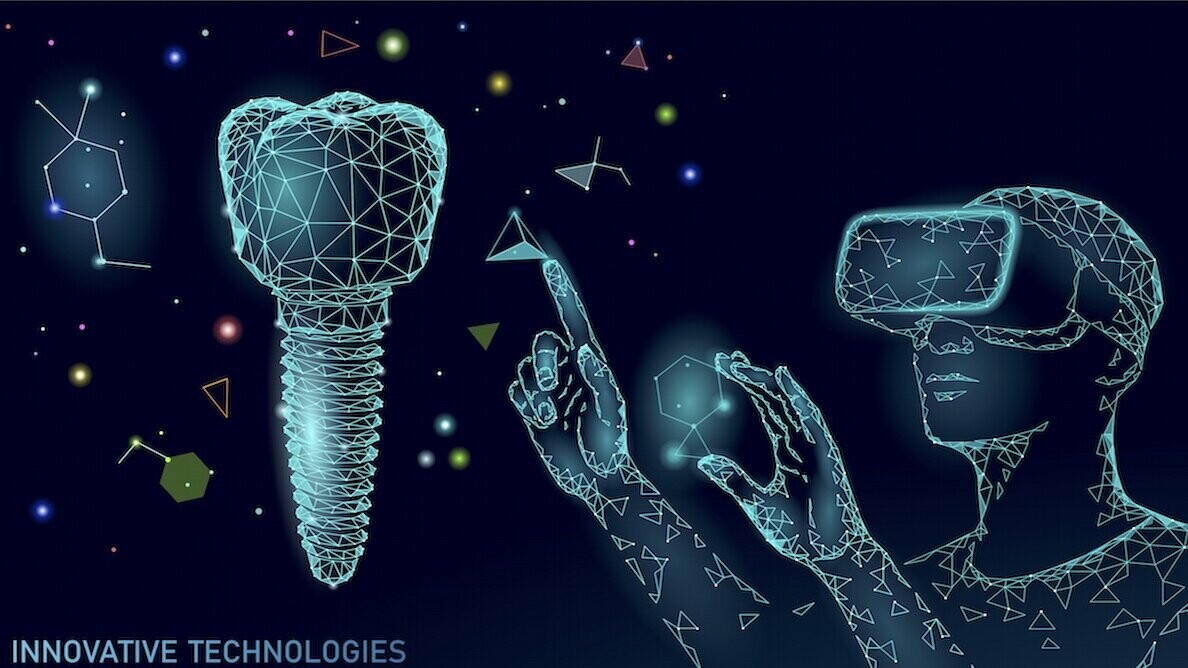
Beyond the clinical realm, innovation in the dental industry extends to improving the overall patient experience. Virtual reality (VR) and augmented reality (AR) applications are being explored to alleviate patient anxiety during dental procedures. Moreover, advancements in communication technologies enhance patient education, ensuring individuals are well-informed and engaged in their oral health journey.
Conclusion
Innovation in the dental industry transcends traditional paradigms, embracing a future where technology, science, and patient-centric approaches converge. From diagnostic tools to treatment methodologies and patient experiences, the meaning of innovation in dentistry is multi-faceted. As the industry continues to evolve, these innovations promise not only to enhance the efficiency and efficacy of dental care but also to empower individuals in their pursuit of optimal oral health. Embracing these transformative changes ensures that the dental profession remains at the forefront of healthcare innovation, ultimately leading to healthier and more confident smiles worldwide.

Leave a Reply