


15% AAGR sales growth in 12 years, 2% undesirable personnel turnover and other improved KPIs because of Cultural Transformation & Inclusive leadership
When I joined Dentsply (worldwide leading dental manufacturer) in Spain&Portugal in 1996, the team was of 7 employees, each one with a complete set of different values, experiences, wishes, interests, capabilities, etc. In the first meeting, 2 days after my start, I asked them on their interest in being 120% regular performers or ‘only’ 100%. After discussing why & how, we agreed our common view on Cultural Transformation need. Few months later, began to set our goals, being part of a highly successful team feeling integrated and empowered, providing >15% AAGR sales growth and having an undesirable turnover <2% over years.
The last spanish economical crisis started in 2008 and it impacted the market evolution and our steady growth. It forced us to take unwanted decision impacting our Organization size, that was at that time of 3x the initial one. Nevertheless, the team understood the need and was committed to accept the changes needed to be better prepared and ready to restore the growth after the crisis, as it was.

This is a real example of Organizational Transformation and Inclusive Leadership
Organizational transformation
Our most important duty as responsible leaders is transform our Organization ‘if it is’ or ‘when it will be needed’. Unfortunately, for many leaders it is never the proper time, delaying the decision and losing the momentum, competitiveness and sometimes, the business.
There are so many ways as colors, but one of the more powerful tools is ‘put the people first’, inspiring them through purpose, with a clear spirit of ‘to go-all-in’, empowering & energizing them, instilling a Culture of continuous learning and, finally, capturing the minds and hearts of people (Inclusive Leadership). See ‘5 ways to lead in an era of constant change’ by Jim Hemerling.
Inclusive Leadership
There are many globally recognized Leadership types. One of the most powerful one is the ‘Transformational Leadership’. It is based in the transformation and motivation of the team to innovate and get the targeted personal and economical results.
The Inclusive Leadership can be considered one ‘sharp’ variation of it and it is based in to manage diverse, multidisciplinary teams, and combine the collaborative capabilities of women & men, older & younger workers, people with different cultural heritage, etc., to get the common goals.
It requires and assumes that all team members feel they are treated respectfully and fairly, that they are valued and sense that they belong to the group, they are confident and inspired.
In my experience, this approach is not ‘nice-to-have’ and directly enhances performance.
Teams with Inclusive Leaders are 17% more likely to report that they are highly performing, 20% say they make high quality decisions & 29% more, is likely to report behaving collaborative. (The diversity and inclusion revolution: Eight powerful truths. Deloitte Review, issue 22).
It was found that a 10% improvement in perceptions of inclusion increases work attendance by almost 1 day a year per employee reducing the cost of absenteeism.
There are 6 traits or behaviors that distinguish Inclusive Leaders:
Visible Commitment: They articulate authentic commitment to diversity, challenge the status quo, holds other accountable and make diversity and inclusion a personal priority;
Humility: They are modest on capabilities, admit mistakes and create the space to others to contribute;
Awareness of bias: They show awareness of personal blind spots as well as flaws in the system and work hard to ensure meritocracy;
Curiosity about others: They demonstrate an open mindset and deep curiosity about others, listen without judgement and seek with empathy to understand those around them;
Cultural intelligence: They are attentive to others’ cultures and adapt as required;
Effective collaboration: They empowered others, pay attention to diversity thinking and psychological safety and focus on team cohesion.
As always in life, you probably was born being an Inclusive Leader. But if not, do not worry, it can be learned. There are many available resources. But once ready, remember that ‘Inclusive Leadership is tangible and has to be practiced every day’!
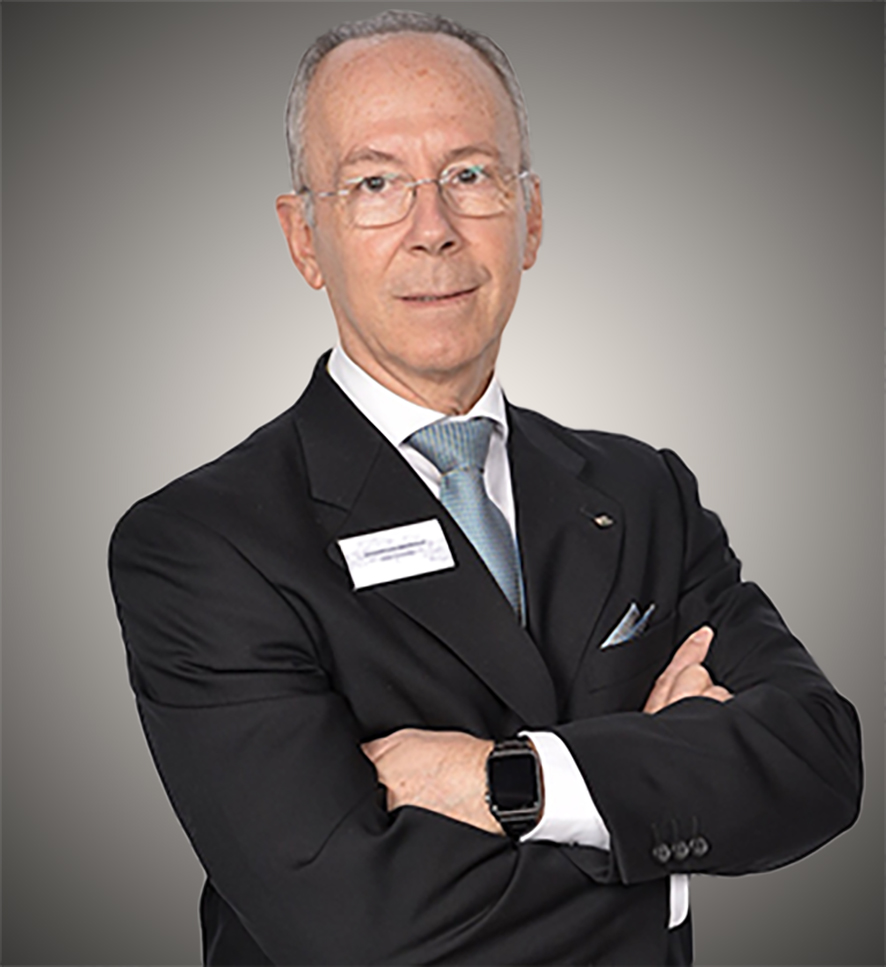
Written by Agustín Sánchez Durán
Leave a Reply