

Harmony in Action: Unveiling the Art of Leadership and Management – Bridging Vision and Efficiency for Organizational Excellence
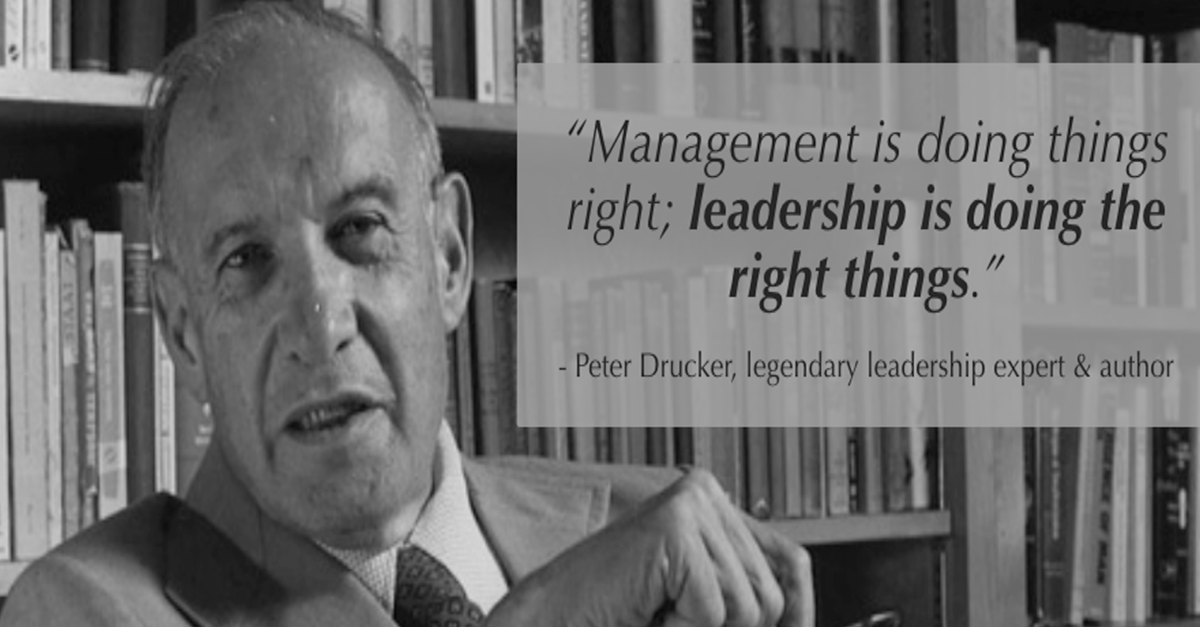
Leadership and management are related concepts, but they involve different sets of skills, behaviors, and functions. Here are some key differences and similarities between leadership and management:
Differences:
1. Focus and Vision:
- Leadership: Leaders are often more focused on creating a vision, setting direction, and inspiring people to achieve common goals. They are concerned with the “what” and “why.”
- Management: Managers typically focus on planning, organizing, and coordinating activities to achieve specific objectives. They are more concerned with the “how” and “when.”
2. People vs. Tasks:
- Leadership: Leaders are people-oriented. They focus on motivating and guiding individuals or teams to reach their potential.
- Management: Managers are task-oriented. They are responsible for organizing resources, delegating tasks, and ensuring that work is completed efficiently.
3. Change and Innovation:
- Leadership: Leaders often embrace change and promote innovation. They are more likely to take risks and encourage others to think creatively.
- Management: Managers tend to prefer stability and control. They are focused on implementing processes and systems to ensure tasks are carried out effectively.
4. Inspiration vs. Control:
- Leadership: Leaders inspire and influence people by fostering a sense of purpose, motivation, and commitment.
- Management: Managers exert control by planning, organizing, and monitoring processes to achieve predefined objectives.
Similarities:
1. Influence:
Both leadership and management involve influencing others. Leaders and managers use their authority, communication skills, and interpersonal relationships to guide and direct individuals or teams.
2. Decision Making:
Leaders and managers are both involved in decision-making processes. However, the nature of their decisions may differ. Leaders may make strategic and long-term decisions, while managers often focus on operational and short-term decisions.
3. Communication:
Effective communication is crucial for both leadership and management. Leaders communicate a compelling vision, while managers communicate plans, expectations, and feedback to ensure tasks are carried out effectively.
4. Goal Achievement:
Both leadership and management aim to achieve organisational goals. While leaders focus on aligning people with a shared vision, managers concentrate on coordinating resources and tasks to meet specific objectives.
5. Interpersonal Skills:
Both roles require strong interpersonal skills. Leaders and managers need to understand and relate to the needs and motivations of individuals within the organisation.
In practice, successful leaders often need to integrate management skills, and effective managers may need to exhibit leadership qualities. The ideal approach depends on the context and the specific requirements of the organization or situation. Many individuals can possess both leadership and management qualities to varying degrees.

Leave a Reply